The Ultimate Guide to Quartzite Countertop Care and Maintenance
Keep your natural quartzite countertops pristine for decades. Our complete care guide covers safe daily cleaning routines, sealing schedules, stain removal techniques, and specific care tips for popular stones like Taj Mahal quartzite.
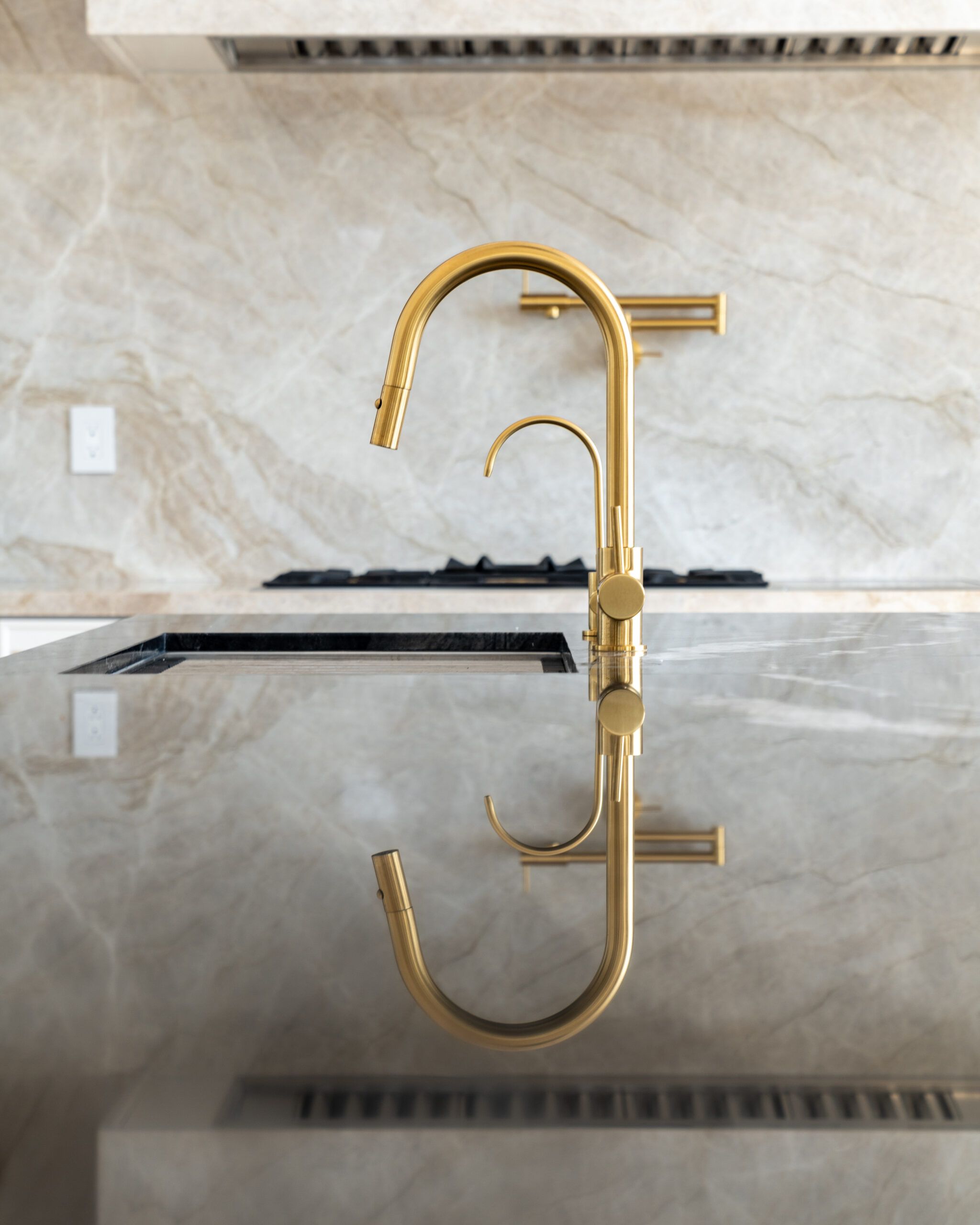
Natural quartzite is widely recognized for its incredible durability, rating a 7 on the Mohs Hardness Scale. Because pure metamorphic quartzite is naturally resistant to scratching, heat, and acidic etching, it is significantly easier to maintain than marble or limestone.
However, keeping your stone looking as pristine as the day it was installed requires basic care habits and the correct cleaning solutions. This guide outlines everyday cleaning techniques, approved versus unsafe cleaners, step-by-step sealing instructions, and simple stain removal methods to protect your investment for decades.
1. Daily Cleaning Guidelines for Quartzite Countertops
Maintaining pure quartzite does not require complex routines or expensive specialty polishes. For daily cleanup after meal preparation, stick to simple, non-abrasive solutions.
The Best Cleaners for Everyday Use
- Warm Water and Mild Dish Soap: A soft microfiber cloth or sponge dampened with warm water and a few drops of mild dish soap (such as original Dawn) is all you need for routine wipe-downs.
- pH-Neutral Stone Cleaners: For daily care without soap buildup, use a spray cleaner formulated specifically for natural stone. These sprays clean thoroughly while preserving your stone's protective sealer.
- Microfiber Cloths: Always dry the surface with a clean microfiber towel after wiping down countertops. This prevents water spots and streaks, especially on polished finishes.
Cleaners and Tools to Avoid
Using harsh household chemicals can dull the surface finish or strip away the protective sealer over time. Avoid using the following items on your quartzite:
- Bleach and Ammonia: Strong alkaline cleaners break down the impregnating sealer and cause surface dulling.
- Vinegar and Lemon Juice: While pure quartzite does not etch from mild acids, acidic kitchen cleaners can quickly break down surface sealers, leaving your stone vulnerable to organic stains.
- Clorox or Lysol Wipes: Disinfecting wipes often leave behind a sticky chemical residue and contain harsh agents that strip sealers.
- Glass Cleaners (e.g., Windex): Most glass cleaners contain ammonia or alcohol, which dull polished stone surfaces over time.
- Abrasive Pads and Magic Erasers: Melamine foam pads and harsh scouring sponges act like micro-fine sandpaper, which can dull a polished finish or mar a leathered texture.
2. Special Care for Taj Mahal Quartzite
Because it is one of the most popular luxury stones on the market, homeowners frequently ask about specific Taj Mahal quartzite maintenance.
The good news is that learning how to clean Taj Mahal quartzite is exactly the same as caring for any other premium quartzite. Its dense crystalline structure makes it highly resistant to staining and etching. However, the finish you choose dictates how you wipe it down:
- Polished Taj Mahal: Requires immediate drying with a flat microfiber towel to prevent water streaks and maintain its glass-like shine.
- Leathered Taj Mahal: The textured, pebbled surface of leathered Taj Mahal naturally hides fingerprints and crumbs. When wiping down this textured finish, use a plush microfiber cloth rather than a flat paper towel to reach into the natural grooves.
3. Heat and Scratch Resistance: What You Need to Know
A common reason homeowners choose natural quartzite over engineered quartz is its ability to handle daily kitchen demands without melting or scorch marks.
Can You Place Hot Pans Directly on Quartzite?
Pure quartzite forms deep within the earth under intense tectonic heat and pressure. As a result, it handles heat far better than engineered quartz, which contains resin binders that burn or yellow above 300 degrees Fahrenheit.
While quartzite will not scorch under standard cooking temperatures, using trivets or hot pads under slow cookers, electric griddles, and hot pans straight out of the oven is still best practice. Extreme, localized temperature changes can cause thermal shock, which may lead to hairline fractures in any natural stone.
Can You Cut Directly on Quartzite?
Because pure quartzite ranks higher in hardness than stainless steel knife blades, slicing food directly on your countertop will not scratch the stone. However, cutting directly on quartzite will dull your kitchen knives very quickly. Always use a wooden or plastic cutting board to protect your cutlery.
4. How and When to Seal Quartzite
Quartzite is a natural stone with varying degrees of porosity. Applying an impregnating stone sealer is an essential step to prevent liquid penetration.
How Often Does Quartzite Need Sealing?
Most high-grade quartzite countertops require sealing once every 12 to 24 months, depending on kitchen usage, the finish type, and the quality of sealer applied during fabrication.
The Water Drop Test
Unsure if your countertops need a fresh coat of sealer? Perform this quick 15-minute test:
- Pour a few drops of clean water directly onto a high-use area of your countertop (such as near the sink or cooktop).
- Let the water sit undisturbed for 15 minutes.
- Wipe the water away with a dry cloth.
If the stone beneath the water remains its original color, your sealer is functioning properly. If the stone has darkened where the water sat, moisture is penetrating the surface, indicating it is time to reseal your countertops.
Step-by-Step Sealing Instructions
Sealing quartzite is a quick DIY process that takes less than 30 minutes:
- Clean the Surface: Thoroughly clean the countertops with warm water and mild soap or a pH-neutral stone cleaner. Let the surface dry completely for at least 2 to 3 hours so moisture isn't trapped inside the stone.
- Apply the Sealer: Pour a solvent-based, penetrating (impregnating) stone sealer onto a soft cloth or clean sponge. Spread an even coat across the entire countertop.
- Allow Penetration: Let the sealer absorb into the stone for 10 to 15 minutes (check product instructions for exact timing).
- Buff Off Excess: Wipe away all excess sealer using a clean, dry microfiber cloth until the surface is completely dry. Do not allow excess sealer to dry on top of the stone, as it can leave a hazy film.
- Cure Time: Allow the sealer to cure for 24 hours before cooking or leaving liquids on the surface.
5. Troubleshooting Stains, Fissures, and Wear
Even with careful maintenance, household spills happen. Here is how to address common issues safely:
Removing Oil and Organic Stains
If oil, wine, or coffee sits on an unsealed area long enough to leave a mark, do not scrub it with harsh abrasives. Instead, use a poultice to lift the stain out of the stone's pores:
- Mix baking soda with water (for organic stains like wine or juice) or baking soda with acetone (for oil-based stains) until it forms a thick paste with the consistency of peanut butter.
- Spread a quarter-inch thick layer of the paste directly over the stain.
- Cover the area with plastic wrap and tape down the edges.
- Let it sit for 24 hours. As the paste dries, it draws the trapped liquid up and out of the stone.
- Remove the plastic wrap, wipe away the dry paste with a damp cloth, and rinse with warm water. Repeat if necessary until the stain fades.
Understanding Fissures vs. Cracks
Homeowners occasionally mistake natural surface lines in quartzite for damage.
- Natural Fissures: These are long-standing mineral lines formed during the stone's geological development millions of years ago. They are completely filled with natural quartz crystals, lie smooth under the polished finish, and do not compromise structural stability.
- Structural Cracks: Cracks are usually caused by shipping stress, improper cabinet leveling, or heavy impact. They feature jagged edges, catch a fingernail when rubbed across the surface, and require professional repair by a stone technician.
Keep Your Quartzite Countertops Looking New
Proper care for natural quartzite comes down to simple daily habits: clean up spills promptly, use pH-neutral cleaners, and reseal the stone every year or two.
Ready to inspect live natural quartzite slabs for your kitchen project? Browse our active inventory at the Oro Surfaces Quartzite Collection or contact our specialists to reserve your slabs today.
Common questions
Can I use Dawn dish soap on quartzite every day?
Yes. Mild dish soap mixed with warm water is perfectly safe for daily cleanup. Just be sure to rinse with clean water and dry with a towel periodically to prevent a thin soap film from dulling the surface finish over time.
Is Windex or Clorox safe for quick disinfecting on quartzite?
No. Windex contains ammonia and alcohol, while Clorox wipes contain harsh chemical detergents. Frequent use of either will breakdown your stone's protective sealer. Use a pH-neutral disinfecting spray certified for natural stone instead.
Does leathered Taj Mahal quartzite require more maintenance than polished?
Leathered quartzite does not require more maintenance, but its textured surface cleans up slightly differently. While the pebbled surface naturally hides fingerprints, water spots, and crumbs better than polished stone, wiping down textured grooves requires a soft microfiber cloth rather than a flat paper towel.
What should I do if my quartzite looks cloudy or hazy?
A hazy appearance is almost always caused by built-up soap residue or excess sealer that dried on top of the stone during application. You can remove soap film using a dedicated stone deep-cleaner or a 50/50 mix of isopropyl alcohol and warm water wiped down with a fresh cloth.