The Ultimate Taj Mahal Quartzite Buying, Cost & Comparison Guide (2026)
If you are planning a luxury kitchen remodel or selecting high-end surfaces for an architectural project, Taj Mahal Quartzite is undoubtedly near the top of your list.
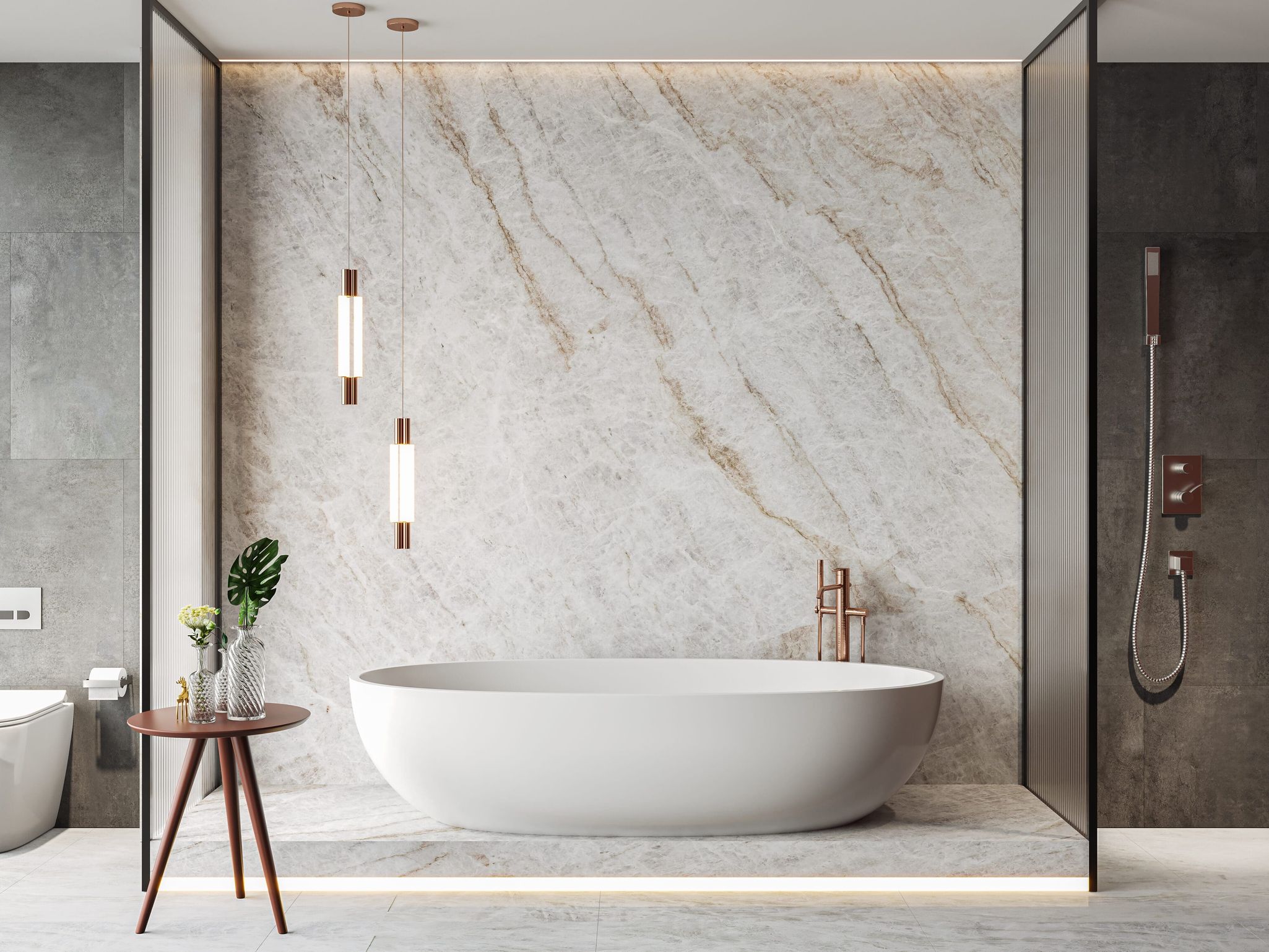
The Ultimate Taj Mahal Quartzite Buying, Cost & Comparison Guide
If you are planning a luxury kitchen remodel or selecting high-end surfaces for an architectural project, Taj Mahal Quartzite is undoubtedly near the top of your list. Celebrated for its soft, warm ivory background and ethereal beige and gold veining, it delivers the timeless elegance of natural marble alongside the structural durability of granite.
However, navigating the natural stone market comes with crucial questions: How much does Taj Mahal quartzite actually cost per square foot? Is it a true quartzite or marble in disguise? How does it compare to Perla Venata, Cristallo, or engineered quartz?
This definitive buying guide from the stone experts at Oro Surfaces breaks down everything you need to know, from current market pricing and technical grade levels to material comparison matrices and foolproof authenticity tests.
1. What is Taj Mahal Quartzite?
Taj Mahal Quartzite is a 100% natural metamorphic rock quarried primarily in the Ceará region of Brazil. Formed under intense heat and tectonic pressure, pure quartz sandstone recrystallizes into dense quartzite. Rated 7 on the Mohs Hardness Scale, genuine Taj Mahal quartzite offers superior scratch, heat, and stain resistance compared to marble and granite.
Is Taj Mahal Quartzite Marble or Granite?
Neither. Taj Mahal is frequently miscategorized by stone yards and retailers due to its soft, marble-like translucency.
- Marble is composed of calcium carbonate (Mohs hardness ~3), making it prone to scratching and etching when exposed to household acids like lemon juice or wine.
- Granite is an igneous rock formed from cooled magma, typically featuring a speckled, granular grain pattern rather than flowing, linear veins.
- Taj Mahal Quartzite is composed almost entirely of interlocking quartz crystals. It possesses the gentle aesthetics of Calacatta marble with a crystalline structure stronger than granite.
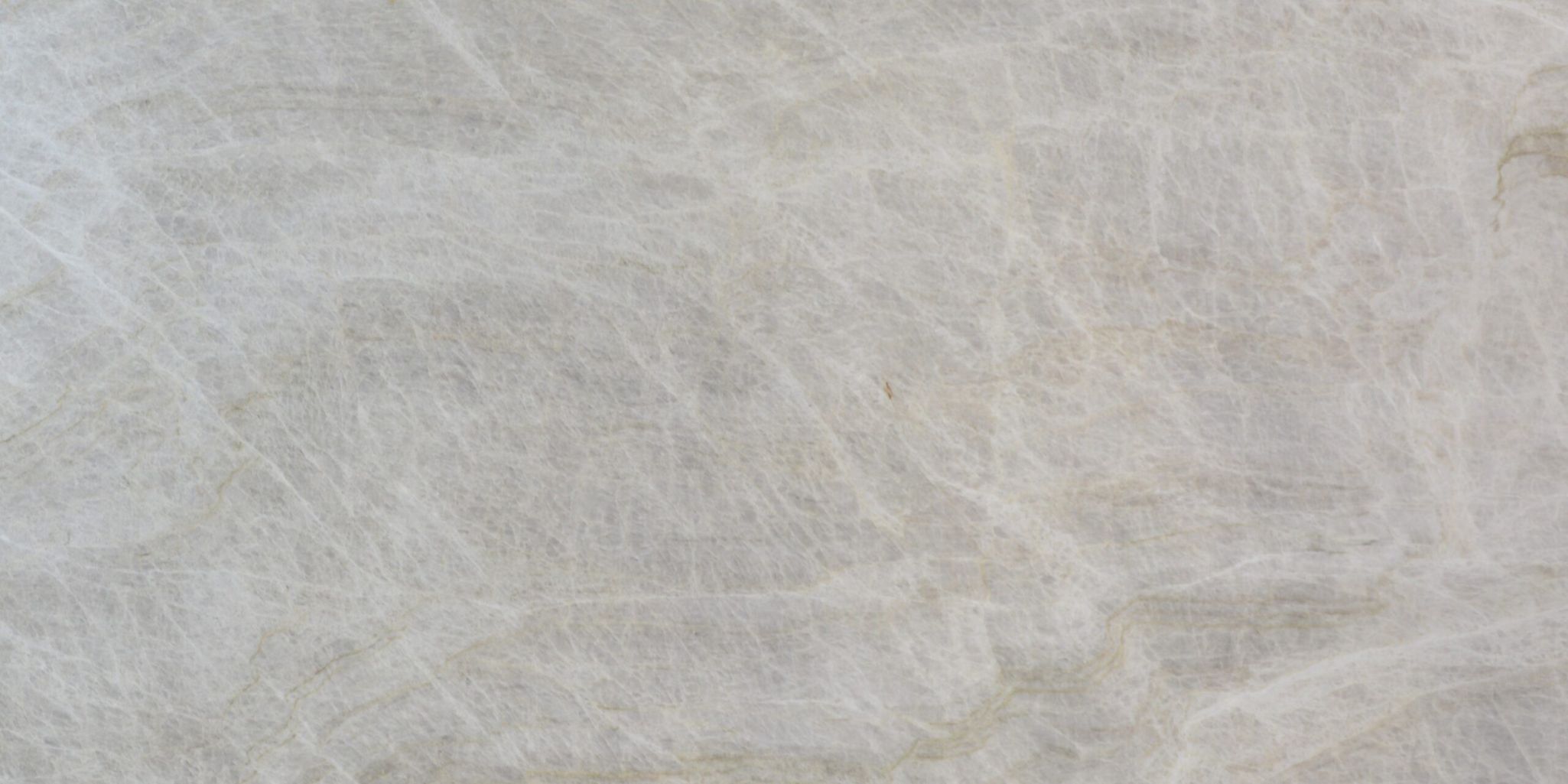
Taj MahalQuartzite Slabs
Cream-white quartzite with faint gold veining. The slab people mean when they say warm white kitchen. Common use as Taj mahal quartzite countertop.
polished, honed, / soft leathered · 133 × 78 in · 2 cm
2. Taj Mahal Quartzite Pricing & Cost Breakdown (2026 Market Data)
One of the most frequent questions from homeowners and fabricators is: How much does a Taj Mahal quartzite slab cost?
Price Range Overview
- Unfabricated Slab Cost: $75 – $150+ per sq. ft.
- Fabricated & Installed Cost: $120 – $230+ per sq. ft.
- Average Total Project Cost (Kitchen with 50 sq. ft.): $6,000 – $11,500+
Factors Influencing the Cost of Taj Mahal Quartzite
A. Slab Grade & Level Classification
Most commercial stone yards rank slabs on a pricing tier from Level 1 (Entry/Common) to Level 5+ (Exotic/Exquisite). Taj Mahal quartzite is typically categorized as Level 3 to Level 5, placing it in the high-end premium category.
- Standard / Commercial Grade: Higher concentration of grey undertones, heavy structural fissures, or irregular tone patches.
- Premium / Select Grade (Oro Surfaces Standard): High translucency, smooth ivory-cream backgrounds, balanced gold and beige veining, and minimal mineral inclusions.
B. Thickness (2cm vs. 3cm)
- 2cm Slabs (approx. ¾"): Generally 15% to 20% lower in raw material cost. Ideal for vertical wall cladding, fireplaces, or laminated edge countertops.
- 3cm Slabs (approx. 1-¼"): The industry standard for kitchen islands and heavy-use countertops. Offers superior structural integrity without needing sub-tops (plywood support).
C. Surface Finish
- Polished: The classic reflective finish; least expensive to process.
- Honed (Matte): Smooth, non-reflective finish requiring additional calibration steps (+5% to 10% cost premium).
- Leathered / Brushed: Tactile, textured finish that accentuates natural vein movement (+10% to 15% cost premium).
3. Comprehensive Material Comparison Matrix
When evaluating luxury countertop options, comparing technical performance alongside aesthetic appeal is essential. Below is a side-by-side comparison of Taj Mahal Quartzite against key market competitors.
Detailed Comparisons
Taj Mahal Quartzite vs. Calacatta Marble :
While marble delivers matchless classical beauty, it requires constant diligence. Marble etches instantly upon contact with everyday acids like tomatoes, wine, coffee, or citrus. Taj Mahal offers the warm aesthetic of Calacatta or Carrara marble with complete acid resistance, making it infinitely more practical for active kitchens.
Taj Mahal Quartzite vs. Engineered Quartz (Look-Alikes):
Many homeowners consider quartz imitations (such as Cambria Britannia or Silestone Taj Mahal look-alikes). While engineered quartz is non-porous, it contains 7% to 10% polymer resins. These resins melt or discolor when exposed to hot cookware and yellow under direct sunlight (UV exposure). Pure Taj Mahal quartzite is 100% natural, handles extreme heat effortlessly, and retains its visual depth for decades.
Taj Mahal Quartzite vs. Taj Mahal Porcelain :
While natural metamorphic Taj Mahal Quartzite remains the premier choice for natural depth, translucency, and unique slab-to-slab veining, engineered Taj Mahal Porcelain Slabs offer an innovative, low-maintenance alternative that replicates the warm ivory aesthetic.
Select Taj Mahal Porcelain if you want a lighter-weight slab for full-height wall cladding, outdoor kitchens, seamless large-format installations without grout, or a zero-sealing surface on a tighter budget.
Taj Mahal Quartzite vs. Perla Venata Quartzite :
Perla Venata is essentially the sister stone to Taj Mahal from the same Brazilian geological region.
- Taj Mahal: Tends to feature a lighter, creamier background with subtle, flowing horizontal veining.
- Perla Venata: Features slightly warmer, golden-amber undertones with more pronounced white diagonal veining.
- Performance and pricing between the two are virtually identical.
Taj Mahal Quartzite vs. Cristallo Quartzite :
Cristallo Quartzite is ultra-translucent with heavy quartz crystal formations, frequently backlit with LED panels in high-end bars and feature walls. Cristallo is significantly more brittle to fabricate and carries a 30% to 50% price premium over Taj Mahal.
4. How to Spot Genuine Taj Mahal Quartzite (Avoiding Marble & Sandstone Dupes)
Because Taj Mahal commands a premium price, some suppliers inadvertently or intentionally mislabel soft marble, dolomite, or un-metamorphosed sandstone as Taj Mahal quartzite.
Perform these three fast on-site verification tests before purchasing a slab:
5. Slab Selection Guide: What to Inspect at Oro Surfaces
When selecting your specific Taj Mahal slab, keep these professional fabricator tips in mind:
1. Inspect for Fissures vs. Cracks
Naturally occurring fissures look like thin cracks, but they are mineral veins filled with quartz crystals formed millions of years ago. They are structurally sound. Hairline fractures caused by improper handling, however, will catch a fingernail and compromise structural integrity. Our stone specialists help you distinguish between the two under professional lighting.
2. Evaluate Vein Direction for Book-Matching
If your project features a large waterfall island or a full-height wall backsplash, specify that you require book-matched slabs.
3. Choose the Right Thickness (2cm vs. 3cm)
- Select 3cm for standard kitchen counters to eliminate extra plywood sub-top fabrication costs.
- Select 2cm if you plan full-height vertical wall cladding or want to minimize weight for elevated floor installations.
Next Steps for Your Project
Whether you need a single custom slab for a bathroom vanity or book-matched 3cm slabs for a full kitchen waterfall island, exploring inventory in person or via live lot imagery is the critical first step.
- Browse Direct Slab Inventory: Explore available lots on the Oro Surfaces Taj Mahal Product Page.
- Consult Our Stone Specialists: Request a custom quote and hold lot reserve for your fabricator today.
Common questions
What level is Taj Mahal quartzite?
Taj Mahal quartzite is classified as a Level 3 to Level 5 (Premium / High-End) natural stone due to its quarry origin in Brazil, high demand, and superior structural hardness.
Is Taj Mahal quartzite outdated for modern kitchens?
No. Taj Mahal quartzite remains one of the most requested natural surfaces in luxury interior design. Its soft warm-ivory base bridges the gap between warm wood tones and cool white cabinetry, making it a cornerstone element in modern organic, transitional, and minimalist kitchens.
Why is Taj Mahal quartzite so expensive?
Taj Mahal quartzite is expensive because of its extraction difficulty, geographic origin (Ceará, Brazil), and extreme mineral hardness. Because quartzite is so dense, it requires specialized diamond-tipped machinery and slower cutting speeds during quarrying and fabrication, driving higher labor and processing costs than standard granite or marble.
Where can I view and buy Taj Mahal quartzite slabs in person?
You can browse live, premium-grade Taj Mahal quartzite lots directly through Oro Surfaces. We offer direct access to one of the largest hand-selected Brazilian slabs in north america for homeowners, interior designers, contractors, and custom fabricators.